

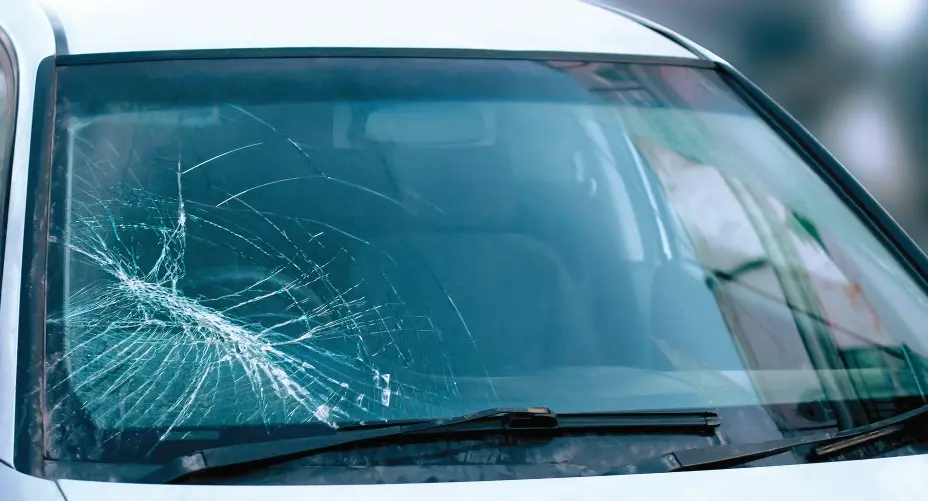
A windshield is far more than a piece of glass that protects you from wind, dust, and rain. It is a critical safety component of your vehicle, designed to support structural strength, protect passengers, and ensure proper airbag deployment. Unfortunately, many drivers underestimate the risks of driving with a cracked windshield. What may appear to be a small crack or chip can quickly compromise cracked windshield safety, putting you, your passengers, and other road users at serious risk.
In this in-depth guide, we will explore how a cracked windshield affects safety, why windshield damage weakens your car’s structural integrity, and when you should choose repair or replacement. By the end of this article, you’ll understand why addressing windshield damage early is not just about appearance—it’s about vehicle safety and survival.
Why Your Windshield Is a Critical Safety Component
Modern vehicles are engineered with safety in mind, and the windshield plays a central role in this system. Many drivers don’t realize that the windshield contributes up to 45% of the vehicle’s structural integrity in a front-end collision and up to 60% in a rollover accident. When damage occurs, cracked windshield structural integrity becomes a serious concern.
A properly installed windshield:
- Supports the vehicle’s roof
- Helps distribute crash forces evenly
- Acts as a backstop for airbags
- Prevents passengers from being ejected
When cracks form, the windshield loses its ability to perform these functions effectively. This directly impacts windshield crack impact on car safety, increasing the likelihood of injuries during an accident.
How a Cracked Windshield Affects Safety While Driving
Understanding how a cracked windshield affects safety begins with recognizing the immediate and long-term risks associated with driving on damaged auto glass.
Reduced Visibility
Cracks distort your view, especially in bright sunlight or at night when headlights reflect off damaged glass. This visual impairment increases reaction time and heightens windshield damage safety risks, particularly in high-speed or low-visibility conditions.
Structural Weakness
A cracked windshield cannot absorb impact energy the way an intact one can. During a collision, this weakness compromises damaged windshield car safety, allowing the glass to shatter more easily.
Increased Risk of Shattering
Even laminated safety glass can fail under stress when cracks are present. Temperature changes, potholes, and road vibrations can cause cracks to expand rapidly, escalating windshield cracks and vehicle safety concerns.
Is It Safe to Drive With a Cracked Windshield?
One of the most common questions drivers ask is: is it safe to drive with a cracked windshield? The short answer is no—especially for extended periods.
While small chips may not seem dangerous at first, they can quickly turn into long cracks. Driving with windshield damage exposes you to:
- Reduced crash protection
- Potential legal penalties
- Failed vehicle inspections
- Insurance complications
From a safety perspective, cracked windshield safety should never be ignored. Even minor damage compromises the windshield’s ability to protect you during an accident.
Windshield Damage Safety Risks You Should Never Ignore
Let’s take a closer look at the most serious windshield damage safety risks associated with cracked auto glass:
- Airbag Malfunction – Front airbags rely on the windshield to deploy correctly.
- Roof Collapse – In rollover accidents, a weakened windshield increases roof crush risk.
- Passenger Ejection – Cracks reduce the windshield’s ability to keep occupants inside the vehicle.
- Crack Expansion – Minor damage can worsen unexpectedly while driving.
Each of these risks directly affects windshield crack impact on car safety, making prompt action essential.
Chip vs Crack Windshield: Understanding the Difference
Many drivers confuse chips and cracks, but understanding the chip vs crack windshield distinction is crucial for choosing the right solution.
What Is a Chip?
A chip is a small point of impact caused by stones or debris. Chips are usually circular or star-shaped and are often eligible for small windshield crack repair if treated early.
What Is a Crack?
A crack is a line that spreads across the glass. Cracks weaken the entire windshield and pose greater risks to windshield cracks and vehicle safety.
Knowing the difference helps determine when windshield repair is possible and when replacement becomes the safer option.
Is Driving With a Cracked Windshield Legal?
Many drivers ask not only “is it safe to drive with a cracked windshield?” but also whether it is legal.
In many regions, driving with a cracked windshield is illegal if the damage:
- Obstructs the driver’s line of sight
- Weakens windshield structural integrity
- Interferes with airbag deployment
- Fails vehicle safety inspection standards
Law enforcement officers can issue fines or citations for unsafe windshield damage, and vehicles may fail roadworthiness inspections. From both a legal and safety perspective, cracked windshield safety should be treated as an urgent concern, not a cosmetic issue.
When Windshield Repair for Cracks Is Possible
Not all windshield damage requires replacement. In many cases, windshield repair for cracks is an effective and affordable solution—if the damage meets certain criteria.
Windshield Repair Is Possible When:
- The crack is shorter than a few inches
- Damage is not in the driver’s direct line of sight
- The crack does not reach the windshield edges
- The inner glass layer is intact
Prompt small windshield crack repair restores strength and improves cracked windshield safety, preventing further spreading.
However, delays can turn repairable damage into a costly replacement.
How Fast Can a Windshield Crack Get Worse?
One of the most dangerous misconceptions is assuming windshield cracks remain stable. In reality, cracks can spread within hours or days due to:
- Rapid temperature changes (hot sun → cold AC)
- Highway vibrations
- Moisture entering the crack
- Vehicle body flex while driving
As cracks grow, windshield damage safety risks increase exponentially. What starts as a repairable chip can quickly require full windshield replacement safety intervention. Acting early protects both safety and cost.
When Windshield Replacement Is Necessary for Safety
In more severe cases, windshield replacement safety becomes the top priority. Replacement is necessary when:
- Cracks are long or spreading rapidly
- Damage reaches the edges of the windshield
- Visibility is compromised
- The crack affects airbag deployment zones
Understanding when windshield replacement is necessary helps you avoid dangerous driving conditions. Choosing to replace cracked windshield glass restores full structural support and ensures compliance with safety standards.
For vehicles with advanced safety systems, front windshield replacement safety is especially critical, as improper glass installation can disrupt camera calibration and collision-avoidance features.
Cost vs Safety: Why Delaying Repairs Is Risky
Many drivers delay repairs to save money, but this often backfires.
| Damage Stage | Safety Risk | Cost Impact |
| Small chip | Low (early stage) | Low repair cost |
| Growing crack | Moderate to high | Repair may no longer be possible |
| Long crack | Severe | Full replacement required |
Delaying action compromises damaged windshield car safety and significantly increases expenses. From both a financial and safety standpoint, small windshield crack repair is always the smarter choice when possible.
How a Cracked Windshield Impacts Airbags and Structural Integrity
One of the most overlooked dangers of windshield damage is its effect on airbags. During deployment, front airbags expand upward and bounce off the windshield to cushion passengers. If the glass is cracked, it may fail under pressure.
This compromises:
- Airbag effectiveness
- Passenger head and neck protection
- Overall cracked windshield structural integrity
In rollover accidents, the windshield also helps prevent roof collapse. Damage significantly increases injury risk, further emphasizing the importance of maintaining windshield cracks and vehicle safety.
Professional Recommendation: What Experts Advise
Auto glass safety professionals strongly recommend addressing windshield damage immediately. Certified technicians assess:
- Crack length and depth
- Location relative to airbags and sensors
- Impact on cracked windshield structural integrity
- Suitability for windshield repair for cracks
When damage exceeds safe repair limits, professionals advise replacing the cracked windshield to restore full safety standards, especially for vehicles with advanced driver-assistance systems.
Why Cracked Windshields Get Worse Over Time
Ignoring windshield damage is never a good idea. Cracks tend to worsen due to:
- Temperature fluctuations
- Moisture infiltration
- Road vibrations
- Pressure changes
What begins as a minor flaw can quickly escalate into a serious safety hazard, increasing windshield damage safety risks and turning a simple repair into a full replacement.
Repair vs Replacement: Which Option Protects Your Safety Best?
Choosing between repair and replacement depends on damage severity, location, and safety considerations.
Windshield Repair Benefits
- Faster process
- Lower cost
- Preserves factory seal
- Effective for early damage
Windshield Replacement Benefits
- Restores full safety standards
- Eliminates structural weaknesses
- Required for severe cracks
- Ensures front windshield replacement safety
Both options play a role in protecting cracked windshield safety, but replacement is the only solution for advanced damage.
How to Protect Your Safety After Windshield Damage
To maintain damaged windshield car safety, take the following steps:
- Inspect damage immediately
- Avoid sudden temperature changes
- Seek professional assessment quickly
- Avoid driving long distances with cracks
- Choose certified repair or replacement services
Timely action protects your vehicle, passengers, and long-term costs.
Frequently Asked Questions About Cracked Windshield Safety
Is a cracked windshield a serious safety risk?
Yes. Even small cracks weaken windshield structural integrity, reduce airbag effectiveness, and increase injury risk during collisions.
Is it safe to drive with a cracked windshield temporarily?
It is not recommended. Cracks can spread suddenly, compromising windshield cracks and vehicle safety without warning.
Can a cracked windshield affect airbag deployment?
Yes. Front airbags rely on the windshield for proper deployment. Cracked glass may fail under pressure.
When is windshield repair for cracks possible?
Repair is possible when cracks are short, away from edges, and not in the driver’s line of sight.
When is windshield replacement necessary for safety?
Replacement is required when cracks are long, spreading, reach the edges, or interfere with visibility or safety systems.
Can a cracked windshield fail a vehicle inspection?
Yes. Most inspections fail vehicles with windshield damage that affects visibility or safety compliance.
Will insurance cover cracked windshield repair?
Many insurance policies cover small windshield crack repair with little or no deductible
Final Thoughts: Don’t Compromise on Cracked Windshield Safety
Your windshield is a vital part of your vehicle’s safety system. Ignoring cracks puts you at risk of accidents, injuries, and costly repairs. By understanding cracked windshield safety, recognizing windshield crack impact on car safety, and acting promptly, you protect both your investment and your life.
Whether through windshield repair for cracks or full replacement, addressing damage early ensures optimal windshield cracks and vehicle safety. When it comes to your safety on the road, there’s no room for compromise.