

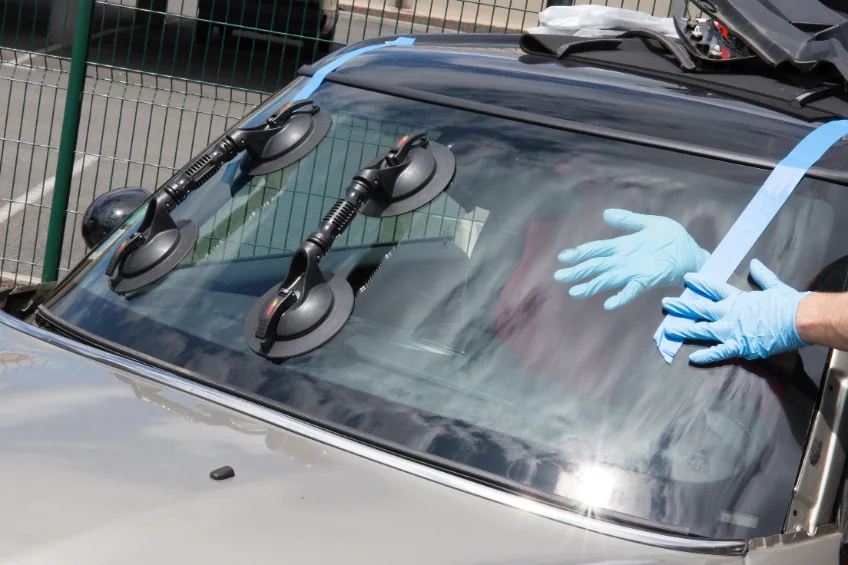
Windshield damage can happen unexpectedly—from flying debris on highways to sudden temperature changes that cause cracks. Once a damaged windshield is replaced, one of the most common and important questions drivers ask is when can you drive after windshield replacement. While it may seem like a simple concern, the answer directly impacts your safety, your vehicle’s structural integrity, and the long-term durability of the new glass.
Many drivers assume they can drive immediately after installation, but windshield replacement is more than just fitting new glass. The adhesive used to bond the windshield needs time to cure properly. Driving too soon can compromise the seal, reduce crash protection, and even cause leaks or glass movement. This guide explains everything you need to know about windshield replacement driving time, curing processes, safety factors, and best practices—so you can make an informed and safe decision.
Why Windshield Replacement Timing Is Critical for Vehicle Safety
Your windshield is a key structural component of your vehicle, not just a protective barrier against wind and debris. It supports the roof during rollovers and plays a major role in airbag deployment. If the windshield is not securely bonded, airbags may deploy incorrectly, increasing the risk of injury.
This is why windshield replacement safety time is critical. The adhesive must bond the glass firmly to the vehicle frame before the car is driven under normal conditions. Rushing this process can weaken the bond and reduce the windshield’s ability to protect passengers during sudden stops or collisions.
When Can You Drive After Windshield Replacement?
The short answer is: it depends. The exact timing varies based on the adhesive used, weather conditions, vehicle type, and installer recommendations. However, understanding general guidelines can help you plan safely.
Standard Windshield Replacement Driving Time
In most cases, technicians recommend waiting at least 30 minutes to one hour before attempting to drive after a windshield replacement. This allows the adhesive to begin setting and reduces the risk of windshield movement.
This initial windshield replacement driving time is meant for short, careful drives only—such as driving home from the repair shop. Full driving freedom usually requires additional waiting time.
How Long to Wait After Windshield Replacement for Full Safety
While short trips may be possible after an hour, most professionals advise waiting at least 24 hours before resuming normal driving habits. This period allows the adhesive to reach sufficient strength.
Knowing how long to wait after windshield replacement ensures the windshield can handle vibrations, pressure changes, and higher speeds safely.
Understanding Windshield Replacement Cure Time
One of the most misunderstood aspects of windshield replacement is cure time. Windshield replacement cure time refers to the period needed for the adhesive to fully harden and bond the glass to the vehicle frame.
Curing is different from drying. While the surface may feel dry, the adhesive beneath may still be soft. Complete curing ensures the windshield remains stable and provides full structural support during driving.
Windshield Adhesive Curing Time Explained
Modern windshield installations use urethane adhesives, which are strong, flexible, and designed to absorb impact. However, these adhesives require controlled curing to reach full strength.
Windshield adhesive curing time depends on several factors:
- Type of adhesive used (fast-set vs standard)
- Temperature and humidity
- Vehicle design and windshield size
How Long Does Windshield Adhesive Take to Cure?
Here’s a general breakdown:
- First 30–60 minutes: Adhesive begins setting; limited movement allowed
- 1–2 hours: Safer for short drives at low speeds
- 24 hours: Adhesive reaches optimal strength for regular driving
Understanding how long does windshield adhesive take to cure helps prevent premature driving that could compromise the bond.
Auto Glass Replacement Wait Time – What Influences It?
The recommended auto glass replacement wait time is not one-size-fits-all. Several factors influence how quickly your windshield becomes safe to drive with:
- Vehicle make and model: Larger or more angled windshields may require longer curing
- Adhesive type: Fast-curing adhesives shorten wait times
- Weather conditions: Cold temperatures slow curing, while extreme heat can affect bonding
Following installer-specific advice is essential for safety.
Is It Safe to Drive After Windshield Replacement?
Many drivers ask whether it’s truly safe to drive after windshield replacement. The answer depends on timing and conditions. Driving too soon—especially at high speeds—can cause the windshield to shift or the adhesive to weaken.
It is generally safe to drive short distances after the minimum recommended wait time, but only under calm driving conditions. Avoid rough roads, sudden braking, or highway speeds until curing is complete.
Can You Drive Immediately After Windshield Replacement?
A common misconception is that you can drive immediately after installation. In most cases, you should not drive immediately after windshield replacement unless the technician specifically confirms it’s safe.
Some advanced adhesives allow for immediate drive-away times, but these are exceptions rather than the rule. Always rely on professional guidance before driving.
What Happens If You Drive Too Soon After Windshield Replacement?
Driving before the adhesive has cured properly can lead to serious issues, including:
- Windshield misalignment
- Water or air leaks
- Reduced crash protection
- Compromised airbag deployment
Understanding what happens if you drive too soon after windshield replacement reinforces why patience is critical during the curing period.
Windshield Replacement Drying Time vs Cure Time
Many people confuse windshield replacement drying time with cure time. Drying refers to the surface feeling firm, while curing involves the adhesive hardening internally.
A windshield may appear ready, but driving before full cure can still weaken the bond. Always prioritize cure time over appearance.
Driving After Auto Glass Replacement – Best Practices
To ensure long-term safety when driving after auto glass replacement, follow these tips during the first 24 hours:
- Avoid slamming doors
- Keep windows slightly open
- Avoid high-pressure car washes
- Drive smoothly and avoid potholes
These precautions protect the adhesive while it cures.
Is It Safe to Drive on the Highway After Windshield Replacement?
Highway driving introduces strong wind pressure and vibrations. Many technicians recommend waiting at least 24 hours before highway speeds.
If you’re wondering is it safe to drive on the highway after windshield replacement, the safest answer is to wait until the adhesive has fully cured.
Weather Impact on Windshield Curing Time
Weather plays a major role in curing:
- Cold temperatures: Slow adhesive curing
- High humidity: Can delay bonding
- Extreme heat: May cause uneven curing
Adjusting expectations based on weather ensures proper windshield replacement safety time.
How Professionals Ensure Proper Windshield Safety Time
Certified technicians follow strict procedures to ensure correct installation, including:
- Surface preparation
- Correct adhesive application
- Safe drive-away time testing
Professional installation directly impacts how soon you can safely drive.
Post-Windshield Replacement Care Checklist
First Hour
- Avoid driving if possible
- Do not touch the windshield edges
First 24 Hours
- Drive carefully
- Avoid car washes
- Avoid rough roads
First Week
- Check for leaks
- Listen for wind noise
FAQs – When Can You Drive After Windshield Replacement?
How soon can you drive after windshield replacement?
Usually after 30–60 minutes for short drives, but 24 hours is ideal.
Can I drive immediately after windshield replacement?
Only if approved by the installer using fast-set adhesives.
How long does windshield adhesive take to cure?
Most adhesives fully cure within 24 hours.
What happens if I drive too soon after windshield replacement?
You risk windshield movement, leaks, and reduced safety.
Is it safe to drive on the highway after windshield replacement?
Highway driving should wait until full cure time is reached.
Final Verdict: When Is It Truly Safe to Drive?
So, when can you drive after windshield replacement? While short trips may be possible after an hour, full safety comes after the adhesive has completely cured—usually within 24 hours. Waiting may feel inconvenient, but it ensures your windshield performs as designed during emergencies.
By respecting cure times, following professional advice, and driving cautiously, you protect both your vehicle and everyone inside it. Safety always outweighs speed when it comes to windshield replacement.