

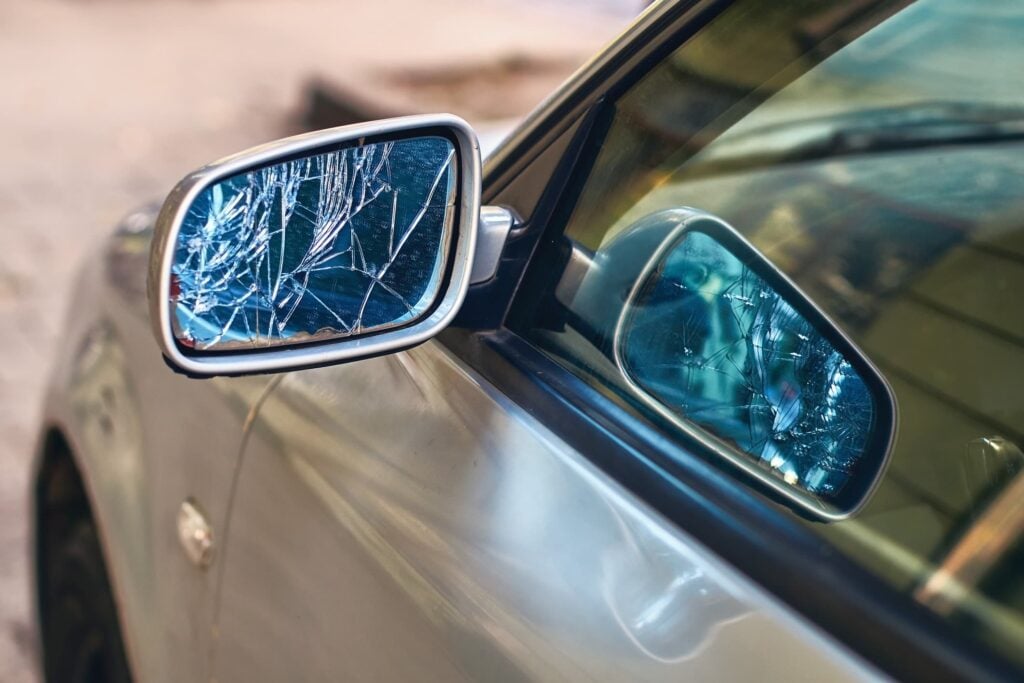
Side mirrors are one of the most important safety components of any vehicle, yet they are also among the most commonly damaged exterior parts. Whether it’s a minor scrape or a completely shattered mirror, car side mirror damage can be frustrating, expensive, and sometimes dangerous if ignored. Understanding the common causes of side mirror damage is the first step toward preventing unnecessary repairs and ensuring safe driving.
In this guide, we’ll explore why side mirrors get damaged, the most frequent side mirror damage causes, and proven ways to protect your vehicle. You’ll also learn practical side mirror damage prevention tips to help you avoid repeat incidents and costly replacements.
Why Side Mirrors Are So Vulnerable to Damage
Side mirrors stick out from the body of a car, making them highly exposed to external impacts. Unlike bumpers or doors, they don’t have much structural protection. This is why car side mirror damage happens more often than damage to many other vehicle parts.
Some of the most common side mirror problems occur during everyday driving and parking. Tight spaces, heavy traffic, distracted drivers, pedestrians, and cyclists all increase the risk. Knowing how side mirrors get damaged helps drivers become more aware and cautious in real-world situations.
Common Causes of Side Mirror Damage
Let’s break down the most frequent scenarios responsible for side mirror damage.
Side Mirror Damage While Parking
Parking is one of the biggest contributors to mirror damage. Many drivers experience a side mirror damaged in a parking lot without even realizing how it happened.
Common parking-related issues include:
- Parking in tight or crowded spaces
- Cars pulling out too closely
- Doors swinging open forcefully
- Shopping carts hitting mirrors
Side mirror damage while parking often seems minor at first, but even small cracks can worsen over time and lead to full mirror failure.
Side Mirror Hit While Driving
Another major reason mirrors break is being struck on the road. A side mirror hit while driving often happens during lane changes, merging, or overtaking.
Frequent causes include:
- Side mirror hit by another car during lane merging
- Vehicles passing too closely
- Aggressive or distracted driving
- Sudden swerves in traffic
In congested areas, side mirror damage in traffic is especially common due to reduced space and limited reaction time.
Side Mirror Damage in Narrow Roads
Urban streets, residential lanes, and construction zones are hotspots for mirror damage. Side mirror damage in narrow roads happens when vehicles attempt to squeeze past each other without enough clearance.
Large vehicles like buses and trucks passing small cars can easily clip mirrors, leading to cracks, loose housings, or complete breakage.
Side Mirror Damaged by Cyclists
In cities with high bicycle traffic, mirrors are often damaged by cyclists. A side mirror damaged by cyclists usually occurs when bikes pass too close to parked or slow-moving vehicles.
Sudden swerving, loss of balance, or misjudged spacing can result in accidental mirror hits, especially in shared road environments.
Side Mirror Broken by Pedestrians
Crowded streets, markets, and sidewalks increase the risk of mirrors being hit by people walking close to vehicles. A side mirror broken by pedestrians can happen accidentally or, in rare cases, intentionally.
This type of damage is more common in busy commercial areas where foot traffic is heavy.
Environmental and Accidental Causes
Not all side mirror broken causes involve people or vehicles. Environmental factors also play a role, such as:
- Falling branches or debris
- Strong winds slamming mirrors against objects
- Extreme weather weakening mirror components
- Vandalism
These often overlooked car mirror damage reasons can silently weaken mirrors until they fail completely.
Side Mirror Broken Causes You Shouldn’t Ignore
Some drivers ignore small issues, but early warning signs matter. The most common causes of broken side mirror progression include:
- Hairline cracks spreading over time
- Loose mirror housing after minor impact
- Malfunctioning power or folding mechanisms
- Repeated small hits during daily driving
Ignoring these side mirror broken causes can turn a simple repair into a full replacement.
Side Mirror Repair Causes vs Side Mirror Replacement Reasons
Not all damage requires replacement. Understanding the difference between side mirror repair causes and side mirror replacement reasons can save money and time.
When Side Mirror Repair Is Enough
Repair may be suitable if:
- Only the mirror glass is cracked
- The housing is intact
- Power adjustment still works
- Damage is cosmetic
These side mirror repair causes usually involve lower costs and quicker fixes.
When Side Mirror Replacement Is Necessary
Replacement becomes unavoidable when:
- The mirror is shattered
- Housing is broken or missing
- Folding or heating features fail
- Safety or legal requirements are compromised
These are the most common side mirror replacement reasons, especially after strong impacts or repeated damage.
How Side Mirrors Get Damaged in Daily Driving
Daily habits play a major role in mirror damage. Many drivers don’t realize how side mirrors get damaged simply by routine commuting.
Common risk scenarios include:
- Driving too close in heavy traffic
- Parking on busy streets
- Ignoring blind spots
- Driving through narrow lanes regularly
Over time, these habits increase the likelihood of car side mirror damage.
How to Prevent Side Mirror Damage
Prevention is always cheaper than repair. Knowing how to prevent side mirror damage can significantly reduce risk.
Smart Parking Habits
- Avoid tight parking spaces
- Park farther from high-traffic areas
- Fold mirrors when parking
- Choose end spots when possible
Safe Driving Practices
- Maintain lane discipline
- Keep safe distances
- Slow down in congested areas
- Be alert in narrow roads
These habits help protect car side mirrors from unexpected impacts.
Use Protective Accessories
- Mirror covers or guards
- Automatic folding mirrors
- Parking sensors and cameras
These upgrades are effective ways to avoid side mirror damage, especially in urban environments.
Side Mirror Damage Prevention Tips That Actually Work
Here are proven side mirror damage prevention tips every driver should follow:
- Stay alert in parking lots
- Fold mirrors in tight spaces
- Avoid aggressive driving
- Be cautious around cyclists and pedestrians
- Perform regular mirror checks
Following these steps helps prevent side mirror breakage and keeps your vehicle safe and compliant.
What to Do Immediately After Side Mirror Damage
If damage occurs:
- Check visibility and safety
- Secure loose parts temporarily
- Avoid driving if visibility is compromised
- Schedule inspection quickly
Quick action helps prevent further car side mirror damage.
Cost Impact of Ignoring Side Mirror Damage
Ignoring damage can lead to:
- Higher repair costs
- Full replacement instead of repair
- Reduced resale value
- Legal and safety issues
Addressing issues early minimizes side mirror replacement reasons.
FAQs About Side Mirror Damage
Why are side mirrors easily damaged?
Because they extend outward and lack protective structure.
Can I drive with a damaged side mirror?
Minor damage may be manageable, but severe damage affects safety and legality.
Is side mirror damage common?
Yes, it’s one of the most frequent exterior car damages.
Conclusion
Understanding the common causes of side mirror damage helps drivers avoid unnecessary stress and expenses. From parking mishaps to traffic incidents, most mirror damage is preventable with awareness and smart driving habits.
By recognizing why side mirrors get damaged and applying the right prevention strategies, you can protect car side mirrors, reduce repair costs, and enjoy safer driving every day. Prevention, awareness, and quick action are the keys to avoiding repeat damage and keeping your vehicle road-ready.