

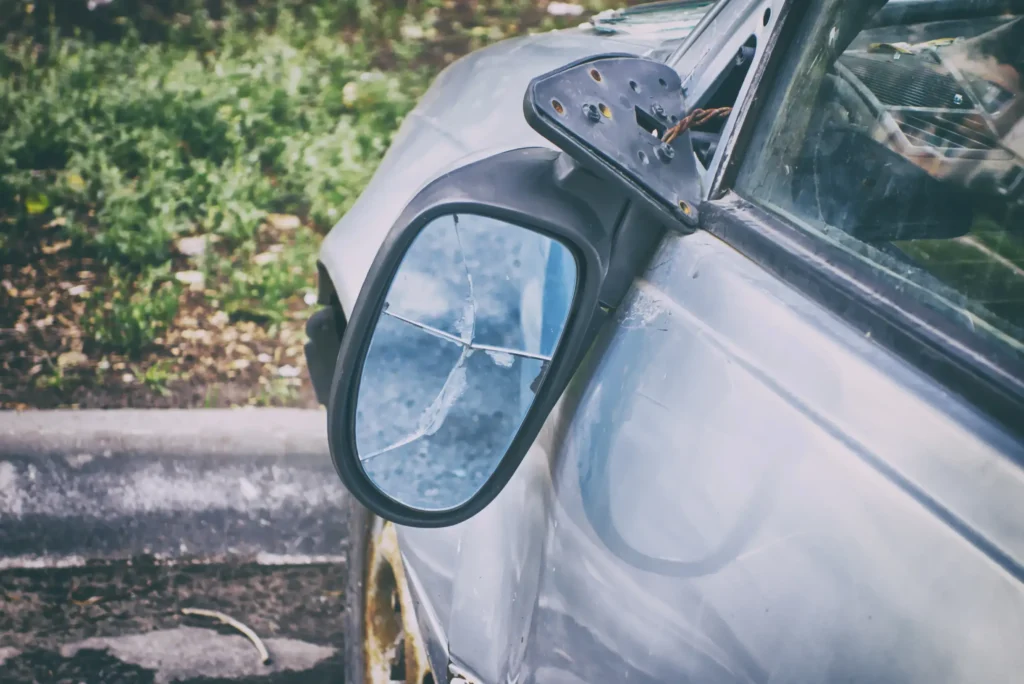
A broken side mirror can happen when you least expect it—tight parking spots, minor accidents, or even vandalism. Once it happens, most drivers immediately ask the same question: can you drive with a broken side mirror, or does it put you at risk of fines, accidents, or legal trouble?
This guide answers that question in depth. We’ll cover broken side mirror driving laws, safety risks, legal requirements, whether police can stop you, and how much it really costs to fix or replace a damaged mirror. If you’re driving right now—or planning to—this article will help you make a smart and legal decision.
Can You Drive with a Broken Side Mirror?
The short answer is: it depends on where you live and how many mirrors your vehicle still has. In many regions, you can drive with a broken side mirror temporarily, but only under certain conditions.
Most traffic laws require drivers to maintain a clear rearward view. If your vehicle still provides that view through other mirrors, you may remain compliant. However, if your broken mirror creates a significant blind spot or prevents safe lane changes, driving becomes risky—and potentially illegal.
So, while the question can you drive with a broken side mirror doesn’t have a single universal answer, the risks and legal concerns are very real.
Legal Requirements for Side Mirrors
Understanding the legal requirements for side mirrors is essential before deciding to continue driving.
General Legal Standards
Most countries and states follow a similar principle:
- A vehicle must allow the driver to see traffic behind and beside them
- Mirrors must be intact, properly mounted, and functional
Typically, laws require:
- At least one functional side mirror, usually on the driver’s side
- A rearview mirror, unless obstructed (e.g., cargo vans)
If your center rearview mirror provides a clear view, some jurisdictions allow driving with only one side mirror. Others require both side mirrors if the rear view is blocked.
Broken Side Mirror Driving Laws: How They Vary
Broken side mirror driving laws are not identical everywhere, which is why location matters.
Side Mirror Laws by State / Province
- Some states/provinces require both side mirrors if the rear window is blocked
- Others only mandate a driver-side mirror
- Commercial vehicles often have stricter mirror requirements
This variation is why drivers often search is it illegal to drive without a side mirror or driving with broken mirror legal—because the legality changes depending on where you drive.
If you cross state or provincial borders, compliance in one area does not guarantee compliance in another.
Is It Illegal to Drive Without a Side Mirror?
So, is it illegal to drive without a side mirror?
Not always—but sometimes, yes.
You may be violating traffic laws if:
- Your broken mirror creates a major blind spot
- You no longer meet the minimum mirror requirement
- The mirror is hanging loose or could fall off
In these cases, driving may be considered unsafe or negligent, even if the law doesn’t explicitly mention “broken mirror.”
Can You Legally Drive with One Side Mirror?
Many drivers ask: can you legally drive with one side mirror?
In many regions:
- Yes, if your rearview mirror provides a clear view
- No, if the rear view is blocked or distorted
However, legality does not always equal safety. Even if driving with one side mirror is allowed, it significantly increases your risk during lane changes and merges.
Side Mirror Broken: Is It Safe to Drive?
Even when legal, the bigger question is safety. If your side mirror is broken, is it safe to drive?
Safety Issues Without a Side Mirror
Driving without a functioning side mirror leads to:
- Reduced awareness of surrounding traffic
- Increased difficulty checking blind spots
- Slower reaction times during lane changes
These safety issues without a side mirror become especially dangerous on highways or in heavy traffic.
Risks of Driving with a Broken Side Mirror
The risks of driving with a broken side mirror go beyond inconvenience.
Key Risks Include:
- Blind spot risks broken side mirror situations increase dramatically
- Higher chance of sideswipe accidents
- Difficulty merging or overtaking
- Increased liability if an accident occurs
Insurance companies may argue that you contributed to an accident by driving with known visibility issues.
Dangers of a Broken Car Mirror
The dangers of a broken car mirror are often underestimated. Even a cracked mirror can distort images, making vehicles appear farther away than they really are.
This distortion leads to:
- Misjudged distances
- Unsafe lane changes
- Reduced confidence while driving
Over time, drivers may unknowingly adapt to unsafe habits, increasing long-term accident risk.
Can Police Stop You for a Broken Side Mirror?
A very common concern is: can police stop you for a broken side mirror?
Yes, they can—especially if:
- The mirror is missing entirely
- It’s visibly damaged and unsafe
- It violates local vehicle equipment laws
Even if you’re not ticketed, officers may issue a fix-it notice requiring repair within a set time.
Driving Without a Side Mirror Ticket: What to Expect
A driving without side mirror ticket varies by location but usually falls under:
- Equipment violation
- Unsafe vehicle operation
Penalties may include:
- Fines
- Mandatory repairs
- Failed vehicle inspections
In some regions, repeated violations can even affect insurance premiums.
Is a Broken Side Mirror a Traffic Violation?
So, is a broken side mirror a traffic violation?
It can be—especially if it compromises safety or violates minimum equipment standards.
Traffic laws often use wording like “adequate visibility” or “safe operating condition,” giving officers discretion.
What Happens If Your Side Mirror Is Broken?
If you’re wondering what happens if your side mirror is broken, here’s what to expect:
- Reduced visibility and driving confidence
- Potential police attention
- Possible tickets or warnings
- Increased accident risk
- Need for repair or replacement
Ignoring the issue rarely makes things better.
Do You Need Both Side Mirrors to Drive?
Another common question is: do you need both side mirrors to drive?
Legally:
- Sometimes yes
- Sometimes no
Practically and safely:
- Yes, you absolutely should have both
Having both mirrors drastically reduces blind spots and improves overall driving awareness.
Temporary Fix for Broken Side Mirror
If you’re waiting for repairs, a temporary fix for a broken side mirror may help—but only briefly.
Common temporary solutions:
- Strong automotive tape to secure a loose mirror
- Clip-on or stick-on replacement mirrors
However, driving with a taped side mirror is not a long-term solution and may still attract police attention if it looks unsafe.
Replace Side Mirror vs Repair: What’s Better?
When deciding replace side mirror vs repair, consider the damage level.
Repair Is Possible If:
- Mirror glass is cracked but housing is intact
- Adjustment mechanism still works
Replacement Is Better If:
- Housing is broken
- Electronics are damaged
- Mirror is missing entirely
Side Mirror Repair Cost: What to Expect
One of the biggest concerns is cost.
How Much Does It Cost to Fix a Side Mirror?
Typical side mirror repair cost ranges:
- $50–$150 for glass-only repair
- $150–$400 for full replacement
- More for heated, powered, or signal mirrors
Knowing how much it costs to fix a side mirror helps drivers avoid delaying repairs unnecessarily.
Final Verdict: Should You Drive with a Broken Side Mirror?
So, can you drive with a broken side mirror?
- Sometimes legal ✔️
- Often unsafe ⚠️
- Risky long-term ❌
While some regions allow temporary driving, the risks of driving with a broken side mirror, combined with legal uncertainty, make repair the smartest choice.
Fixing a mirror is far cheaper than dealing with accidents, tickets, or insurance disputes.