

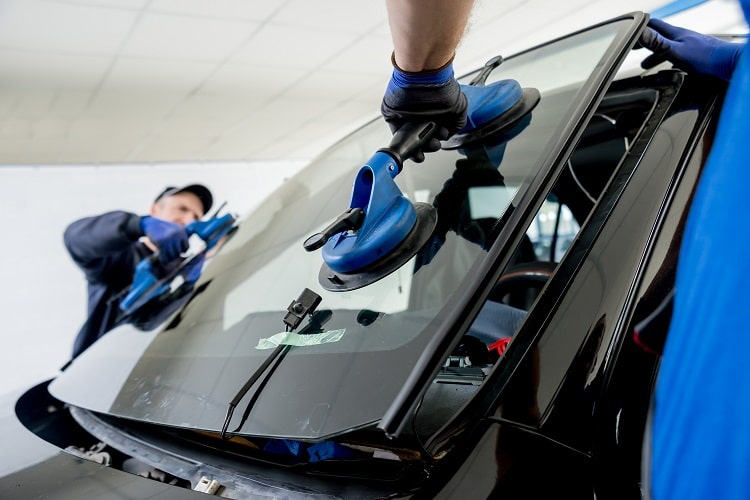
Windshield damage is an everyday reality for drivers across British Columbia. From loose gravel on highways and mountain roads to heavy rainfall, winter frost, and sudden temperature changes, BC roads can be tough on your vehicle’s glass. When your windshield cracks or chips beyond repair, one big question comes up: OEM vs Aftermarket Windshield Replacement — which is the better choice for BC roads?
Choosing the right windshield isn’t just about cost. It affects your safety, visibility, vehicle integrity, insurance coverage, and long-term driving comfort. In this detailed guide, we’ll break down OEM vs aftermarket windshield options, explain how they perform in British Columbia’s unique driving conditions, and help you decide which solution makes the most sense for your vehicle and budget.
Understanding Windshield Replacement Options
When it comes to repairing or replacing a damaged windshield, drivers generally have two main windshield replacement options: OEM glass or aftermarket glass. Both are legal, widely used, and meet safety standards, but they are not identical.
The difference between these options becomes especially important in British Columbia, where road conditions vary dramatically—from urban traffic in Vancouver to gravel-heavy highways, mountain passes, and rainy coastal routes. Understanding these differences will help you make an informed car windshield replacement comparison instead of choosing based on price alone.
What Is OEM Windshield Glass?
Definition and Manufacturing Standards
To understand the debate around OEM vs Aftermarket Windshield Replacement, it’s important to start with the basics. What is OEM windshield glass?
OEM stands for Original Equipment Manufacturer. This means the windshield is produced by the same manufacturer that supplied the glass when your vehicle was originally built.
OEM windshields are designed to match your original windshield exactly. This includes the same thickness, shape, curvature, tint, and optical clarity. In modern vehicles, OEM glass is also engineered to work seamlessly with advanced driver-assistance systems (ADAS), such as lane departure warnings, rain sensors, and forward-facing cameras.
Benefits of OEM Windshield Replacement
Choosing OEM windshield replacement offers several advantages, especially for newer vehicles:
- Factory-level fit and finish
- Consistent optical clarity with minimal distortion
- Better compatibility with safety sensors and cameras
- Maintains original driving experience and vehicle integrity
When comparing OEM glass vs aftermarket glass, OEM is often considered the closest match to what the vehicle manufacturer intended.
What Is Aftermarket Windshield Glass?
Definition and How It’s Made
Now let’s answer the other side of the equation: What is aftermarket windshield glass?
Aftermarket windshields are manufactured by third-party companies rather than the original vehicle manufacturer. These companies produce windshields designed to fit multiple vehicle models while meeting safety regulations.
Aftermarket glass must comply with safety standards, but it may differ slightly in thickness, curvature, or edge finishing compared to OEM glass. These differences are usually small but can matter in certain driving conditions or vehicle types.
Aftermarket Windshield Replacement Explained
Aftermarket windshield replacement is popular because it is generally more affordable and widely available. Many insurance providers prefer aftermarket glass due to its lower cost, making it a common option for everyday vehicles.
However, quality can vary depending on the manufacturer, which is why it’s important to work with a reputable auto glass service if you choose this option.
OEM vs Aftermarket Windshield: Key Differences Explained
When performing a true OEM vs aftermarket windshield comparison, several factors come into play beyond price.
Fit, Clarity, and Durability
OEM windshields are built to precise factory specifications, which usually results in a perfect fit and consistent clarity. Aftermarket glass may fit very well but can sometimes have minor differences that affect wind noise or optical distortion.
Car Windshield Replacement Comparison for BC Drivers
For British Columbia drivers, road conditions add another layer to this decision. Gravel highways, heavy rain, winter driving, and frequent rock chips demand durability and clear visibility. OEM glass often performs better in long-term durability, while high-quality aftermarket options can still deliver solid performance if installed correctly.
This car windshield replacement comparison highlights why driving habits and environment should influence your choice.
OEM vs Aftermarket Windshield: Quick Comparison Table
When comparing OEM vs Aftermarket Windshield Replacement, many drivers want a clear side-by-side view before making a decision. The table below highlights the most important differences to help with a practical car windshield replacement comparison.
| Feature | OEM Windshield Glass | Aftermarket Windshield Glass |
| Manufacturing | Made by the original vehicle manufacturer | Made by third-party manufacturers |
| Fit & Shape | Exact factory match | Designed to fit, but may vary slightly |
| Optical Clarity | Consistent, distortion-free visibility | Quality varies by brand |
| ADAS Compatibility | Designed specifically for vehicle sensors | May require extra recalibration |
| Durability | Built for long-term performance | Depends on manufacturer quality |
| Cost | Higher upfront cost | More affordable option |
| Insurance Preference (BC) | May need approval | Commonly approved |
This comparison shows why the decision between OEM glass vs aftermarket glass isn’t just about price—it’s about performance, safety, and how your vehicle is used on British Columbia roads.
OEM vs Aftermarket Windshield Cost in British Columbia
Price Differences Explained
One of the most searched questions is OEM vs aftermarket windshield cost. OEM windshields typically cost more due to brand-specific manufacturing and tighter quality control. Aftermarket glass is usually more budget-friendly, making it appealing for older vehicles or drivers paying out of pocket.
Insurance Coverage in BC
Insurance plays a major role in this decision. OEM windshield insurance coverage BC policies vary depending on your provider and coverage level. Some insurance plans automatically approve aftermarket glass, while OEM glass may require special approval or an additional payment.
Understanding your policy before making a decision can save time, money, and frustration.
OEM vs Aftermarket Windshield Cost in BC: What to Expect
When drivers ask about OEM vs aftermarket windshield cost in British Columbia, the price difference can be significant. OEM windshield replacement often costs more due to brand-specific manufacturing, tighter quality control, and ADAS compatibility.
Aftermarket windshield replacement is typically more affordable and widely available, making it a popular option for older vehicles or budget-conscious drivers. However, the total cost should also consider recalibration needs, installation quality, and long-term durability.
Understanding the true cost—not just the initial price—helps drivers make smarter windshield replacement options based on value rather than cost alone.
OEM Windshield Insurance Coverage in British Columbia
OEM windshield insurance coverage in BC depends largely on your insurance provider and policy type. Many comprehensive insurance plans default to aftermarket windshield replacement because it reduces claim costs.
However, OEM windshield replacement may be approved if:
- Your vehicle is new or leased
- ADAS features require OEM glass
- Your policy includes OEM endorsement
- You are willing to pay the price difference
Before approving any windshield replacement, BC drivers should review their policy and ask specifically about OEM vs aftermarket windshield coverage. This proactive step prevents delays and unexpected out-of-pocket expenses.
Windshield Replacement and ADAS Recalibration in Modern Vehicles
Modern vehicles rely heavily on Advanced Driver-Assistance Systems (ADAS), such as lane-keeping assist, automatic emergency braking, and collision warnings. These systems often use cameras and sensors mounted directly to the windshield, making windshield replacement options more complex than in older vehicles.
In an OEM vs aftermarket windshield safety comparison, OEM windshield replacement typically offers better compatibility with ADAS systems because the glass is manufactured to exact factory specifications. This precision helps ensure accurate camera alignment and reduces the risk of recalibration issues.
Aftermarket windshield replacement can still be safe, but recalibration becomes critical. Even slight differences in glass thickness or curvature can affect sensor accuracy if calibration is skipped or done improperly. For BC drivers who rely on ADAS during highway driving, mountain passes, or heavy rain conditions, this factor can strongly influence whether OEM windshield replacement is the better choice.
Safety Matters: OEM vs Aftermarket Windshield Safety Comparison
Does Aftermarket Windshield Affect Safety?
A common concern among drivers is: does aftermarket windshield affect safety?
When properly manufactured and installed, aftermarket windshields are safe and meet regulatory standards. However, safety differences may appear in vehicles equipped with advanced safety systems.
ADAS and Structural Integrity
Modern windshields contribute to vehicle structural strength and airbag deployment. An OEM windshield vs aftermarket safety comparison often shows OEM glass performing better in precision-sensitive applications like camera alignment and sensor accuracy.
For drivers who rely heavily on ADAS features or frequently drive at highway speeds, OEM glass may provide additional peace of mind.
Which Windshield Is Better for British Columbia Weather?
Driving Challenges Unique to BC
British Columbia’s weather includes heavy rain, winter frost, mountain temperature swings, and debris-prone highways. These factors raise the question: which windshield is better for British Columbia weather?
Performance on BC Roads
OEM glass generally handles temperature changes and moisture exposure more consistently, making it ideal for OEM vs aftermarket windshield replacement for BC roads. That said, high-quality aftermarket glass can still perform well for city driving and moderate conditions when installed by professionals.
Aftermarket Windshield Pros and Cons
Understanding the aftermarket windshield pros and cons helps balance expectations.
Pros
- Lower upfront cost
- Faster availability
- Suitable for older vehicles
Cons
- Possible optical distortion
- Fit variations between manufacturers
- Higher risk of recalibration issues with ADAS
Real-World British Columbia Driving Scenarios
British Columbia offers some of the most diverse driving environments in Canada, and each one affects how OEM vs aftermarket windshield replacement performs.
Urban Driving (Vancouver, Burnaby, Surrey)
For city drivers facing traffic, rain, and stop-and-go conditions, high-quality aftermarket windshield replacement often performs well when installed correctly. Cost savings can make aftermarket glass a practical option for everyday use.
Highway and Mountain Driving (Coquihalla, Highway 1)
High-speed travel, gravel debris, and sudden temperature changes increase stress on windshields. OEM windshield glass often provides better resistance to impact, reduced wind noise, and more reliable visibility—important for long-distance BC drivers.
Winter and Interior BC Conditions
Extreme temperature swings and frost can test windshield durability. OEM glass tends to handle thermal expansion more consistently, which is why many drivers consider OEM windshield replacement for long-term reliability in colder regions.
These real-world conditions highlight why a one-size-fits-all answer doesn’t exist in the OEM vs aftermarket windshield debate.
Is Aftermarket Windshield Good for Highway Driving?
Many drivers ask, is aftermarket windshield good for highway driving?
The answer depends on quality and installation. Premium aftermarket glass installed correctly can perform well at high speeds. However, OEM glass often offers better noise control, clarity, and resistance to debris impact—important factors for frequent highway drivers in BC.
Should You Choose OEM Windshield Replacement in BC?
So, should I choose OEM windshield in BC?
Here’s a simple decision guide:
Choose OEM if:
- Your vehicle is new or high-end
- You rely on ADAS features
- You frequently drive on highways or mountain roads
- Insurance covers OEM glass
Choose aftermarket if:
- Your vehicle is older
- Budget is a priority
- You mainly drive in urban areas
- You select a reputable glass manufacturer
Many drivers still ask, is OEM windshield better than aftermarket? The answer isn’t universal—it depends on your vehicle, driving conditions, and priorities.
When OEM Windshield Replacement May Not Be Necessary
While OEM windshield replacement offers premium benefits, it may not always be the most practical choice. For older vehicles with lower resale value, aftermarket windshield replacement can provide safe and reliable performance at a lower cost.
Drivers who primarily travel short distances, avoid highways, and do not rely on ADAS features often find aftermarket glass to be a reasonable solution. Choosing a reputable installer and high-quality aftermarket manufacturer is key to avoiding common issues.
This balanced perspective helps answer the common question: Is OEM windshield better than aftermarket? The answer depends on how, where, and how often you drive.
Final Verdict: OEM vs Aftermarket Windshield Replacement – What’s Better for You?
When it comes to OEM vs Aftermarket Windshield Replacement, there’s no one-size-fits-all answer. OEM glass delivers factory-level precision, safety compatibility, and long-term reliability—especially valuable on challenging BC roads. Aftermarket glass offers affordability and accessibility, making it a practical choice for many everyday drivers.
The key is understanding your vehicle, insurance coverage, and driving habits. By weighing cost, safety, weather performance, and long-term value, you can confidently choose the windshield replacement option that best suits your needs in British Columbia.
Frequently Asked Questions: OEM vs Aftermarket Windshield Replacement
Is OEM windshield replacement required by law in British Columbia?
No. Both OEM and aftermarket windshield replacement options are legal in BC as long as they meet safety standards.
Does aftermarket windshield affect safety?
A properly manufactured and installed aftermarket windshield is safe, but OEM glass often offers better precision for modern safety systems.
Is OEM windshield better than aftermarket for highway driving?
For frequent highway and mountain driving, OEM windshield glass often provides better clarity, noise reduction, and sensor compatibility.
Will insurance cover OEM windshield replacement in BC?
Some policies do, but many default to aftermarket glass unless OEM is requested or required due to ADAS features.
How long does windshield replacement take?
Most replacements take one to two hours, with additional time if recalibration is required.